More families are considering a year off between high school and college, and more young men are asking for one. Some of them are wise to. An eighteen-year-old who has spent thirteen years in classrooms and is not sure what he wants often does better after a year of something else. But the gap year has a failure mode, and everyone has seen it: twelve months of sleeping late, working a few shifts, and playing games, at the end of which the young man is a year older and no more formed.
The difference between the two outcomes is design. A gap year worth taking has a structure, a set of demands, and an end. Here is what the good ones tend to include.
Hard work for someone else
The single most valuable element of a gap year is a real job under a demanding boss, ideally one involving physical labor. A year on a farm, a job site, a fishing boat, a ranch, or a trade crew teaches a young man what a day’s work is, what money costs, and how to take orders from a man who does not care about his feelings. Most eighteen-year-olds have never experienced any of this, and it changes them faster than anything else on this list.
The job should be full-time and should last months, not weeks. A young man who has to show up at six every morning for a season learns something a summer internship cannot teach.
A real expedition
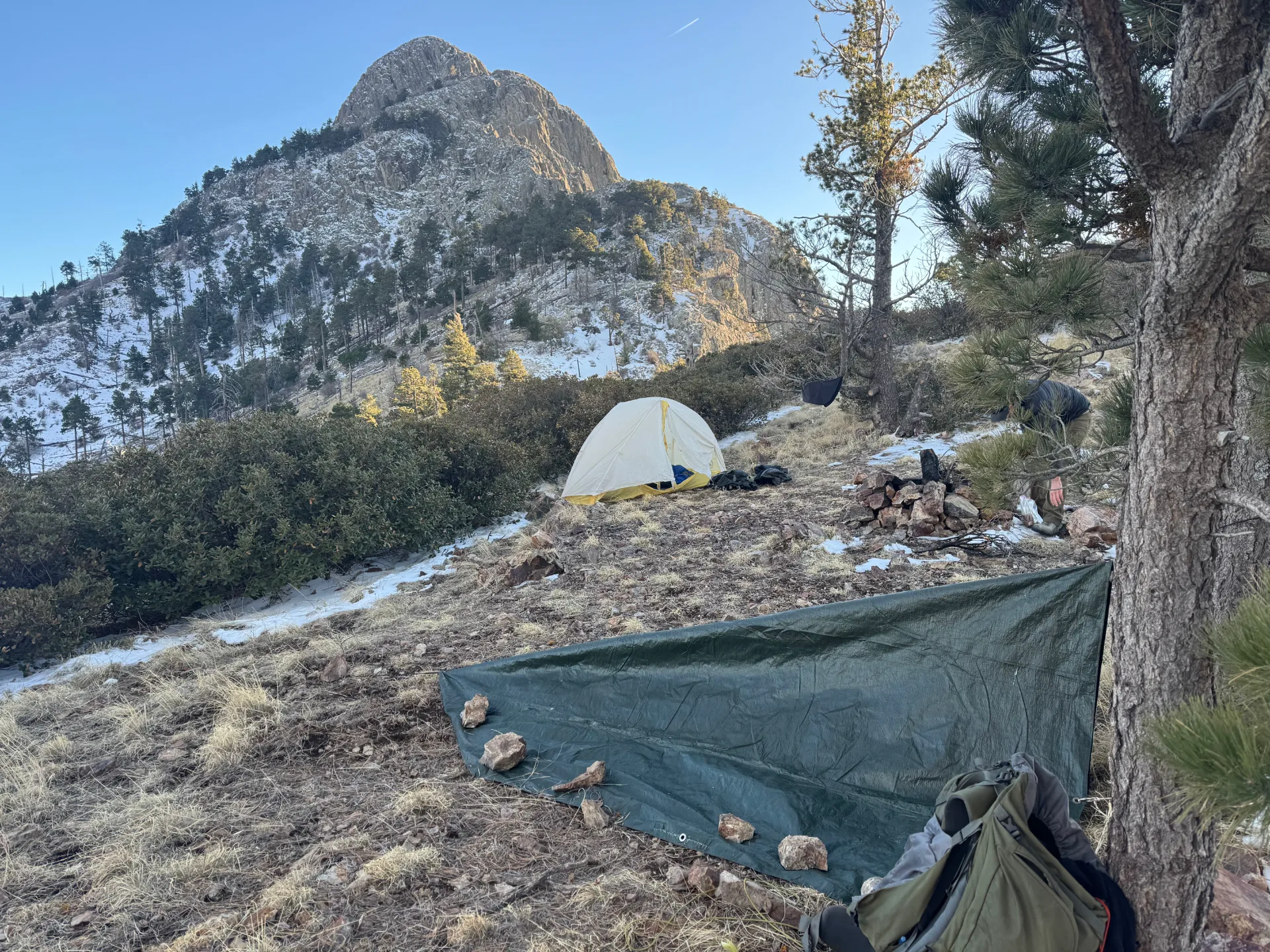
Somewhere in the year should be a stretch of genuine hardship outdoors: a long backpacking route, a multi-week wilderness course, a sea voyage, a pilgrimage on foot. The point is the same as in all wilderness education: to put the young man in conditions that cannot be negotiated with, in the company of others who depend on him, long enough that he finds out what he is made of.
Programs exist for this, from national wilderness schools to trail crews to organized pilgrimages, and some are worth the cost. A young man with experience can also plan his own. Either way, it should be hard enough that finishing is not guaranteed.
Service
A portion of the year given to others, without pay, teaches a young man that he owes something to the world and that he is capable of giving it. This can be formal, through a mission, a relief organization, or a conservation corps, or informal, such as a season caring for an aging relative or rebuilding after a storm. What matters is that it costs him something and that it is not about him.
A serious course of reading
A gap year is the one period in a young man’s life when he has time to read the way the great readers read: whole books, slowly, in order, with nothing due. He should use it. A year with the Lives of Plutarch, the Greek philosophers, the Stoics, a few histories, and the founding documents of his country will do more for his education than most freshman years. Our reading list for teenage boys and fall reading list are places to start.
Better still is to read in company. A young man who joins a reading group of older men, and holds his own in the argument, has entered adult intellectual life. Meriwether’s Meriwether Men’s Book Club is open to any man willing to do the reading.
Physical training with a goal
A year without school is a year in which a young man can get seriously strong, learn to box or wrestle, or train for something specific: a race, a bout, a long climb. Training with a goal supplies the structure a gap year otherwise lacks, and the discipline transfers to everything else.
A plan, a budget, and an end date
The gap year should be planned on paper before it starts, with dates, commitments, and a budget the young man is responsible for. It should have a fixed end and a clear next step, whether that is college, a trade, or the military, so that it does not drift into a second year. And the young man should own it. A gap year designed entirely by his parents is a longer version of high school.
What it should not be
It should not be a year of travel for its own sake. Seeing Europe from hostels is pleasant and teaches little. It should not be a year at home without a schedule. And it should not be an escape from a decision he needs to make; the year is for growing into the decision, not avoiding it.
The measure
At the end, ask a simple question: is he larger than he was? Can he do things he could not do, bear things he could not bear, read things he could not read? A year that produces that answer was worth every day. A year that produces a tan and some photographs was not.
For the principles behind all of this, see “Why Boys Need Difficult Things” and “Rites of Passage for Boys.” Meriwether’s canoe voyages and other trips, listed on our events page, are open to young men eighteen and older and make a good beginning.
From the Meriwether archive: The Wild Whisper: Unlocking the Psychological Perks of Solitude in Nature.