Nashville calls itself Music City, and most visitors assume the name comes from country music and the Grand Ole Opry. But one of the most important musical stories in the city’s history began decades before either, with nine young students, a struggling school, and a gamble that should not have worked.
It is a story about perseverance under humiliation, about using a gift in service of something larger than yourself, and about what young people can do when they refuse to quit. Every Nashville boy should know it.
A school on the edge
In 1871, Fisk University was a young school for formerly enslaved people and their children, founded in Nashville after the Civil War. It was running out of money. According to the history of the Fisk Jubilee Singers, the university’s treasurer and music director, George Leonard White, proposed a desperate idea: take a group of student singers on tour to raise funds.
On October 6, 1871, nine students set out. Many of them had been born into slavery.
The hard road
The early tour went badly. Audiences were small, and the singers faced open hostility. One of them, Ella Sheppard, later recalled that “our strength was failing under the ill treatment at hotels, on railroads, poorly attended concerts, and ridicule.”
White named the group the Jubilee Singers, after the year of Jubilee in the book of Leviticus, when the enslaved were set free. The name fit. The singers began performing the spirituals that had been sung in slavery, songs most white audiences had never heard sung as concert music. The response changed.
Across the ocean
Word spread. In 1873, the Jubilee Singers performed for Queen Victoria in Great Britain. Their tours carried the spirituals to audiences across America and Europe, and they are credited with bringing that music to a far wider public than it had ever reached.
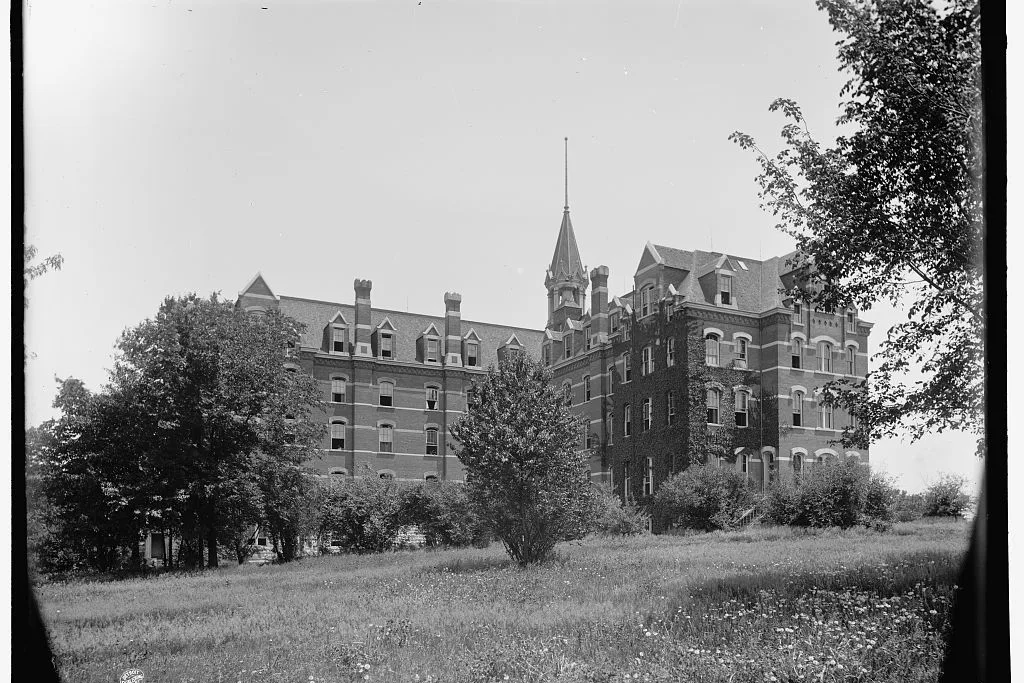
The money they raised built Jubilee Hall, Fisk’s first permanent building, which still stands on the campus in North Nashville and is a National Historic Landmark. In other words, the singers did exactly what they set out to do. They saved their school.
The legacy today
Fisk still marks October 6 each year as Jubilee Day, and the Fisk Jubilee Singers still perform. The ensemble received the National Medal of Arts in 2008 and won its first Grammy Award in 2021.
What a boy can learn from them
Perseverance through humiliation. The singers were mocked, turned away, and poorly paid in the early months. They kept going. A boy who wants to quit the first time something is hard needs to hear that the people who changed history usually endured a long stretch of failure first.
Using a gift for others. They did not tour for fame. They toured to save a school so that others could be educated. Ask your son what his gifts are, and whom they might serve.
Dignity under insult. They answered ridicule not with anger but with excellence. That is one of the hardest lessons for any young man, and one of the most important.
The power of beauty. The spirituals moved audiences who had been indifferent or hostile. Music, like all real beauty, can reach people argument cannot. Our essay on how art, beauty, and music rewire your soul for greatness explores that idea.
Visiting Fisk
Fisk University sits in North Nashville, not far from downtown. Walking past Jubilee Hall with your son and telling him this story on the spot makes it stick. Pair it with a listen to recordings of the spirituals the singers made famous, such as “Swing Low, Sweet Chariot” and “Steal Away.”
For more Nashville history worth passing on, see our accounts of the founding of Nashville and the Parthenon in Centennial Park. A boy who knows the stories of his own city walks through it with more gratitude and more ambition.
From the Meriwether archive: Thomas Jefferson and the Louisiana Purchase: A Bold Step Westward and Andrew Jackson’s First & Second Inaugural Address.