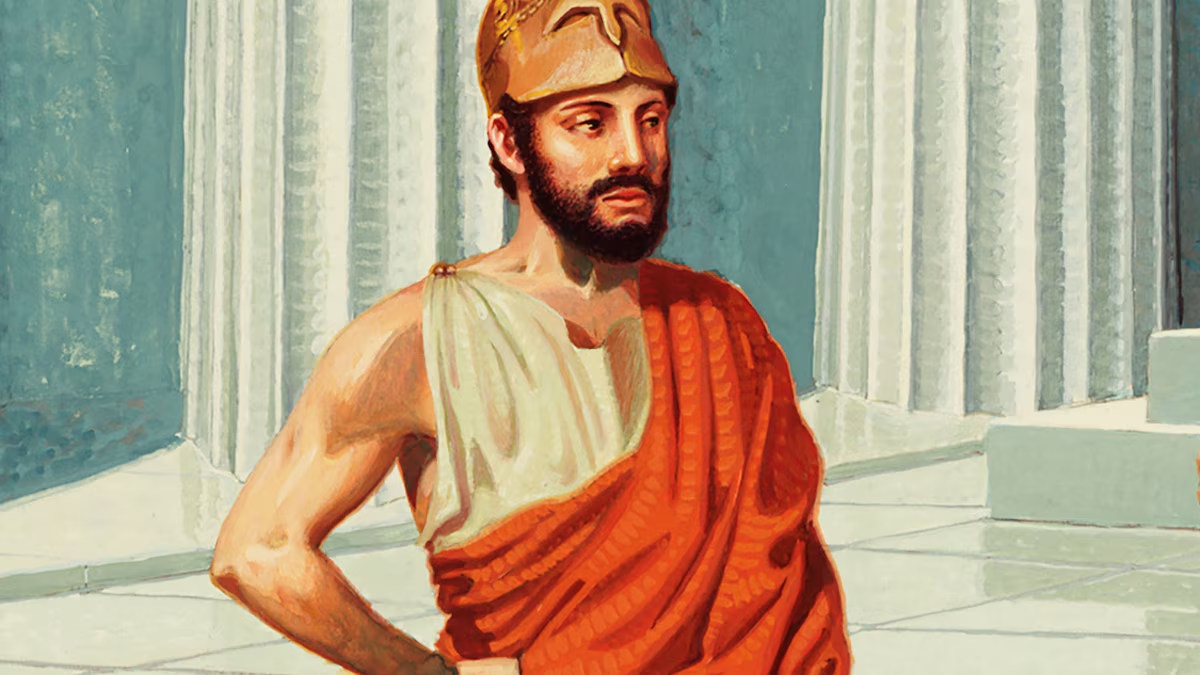
Pericles stands in Plutarch’s Life of Pericles as a model of disciplined leadership and carefully governed character. Plutarch is less concerned with dazzling anecdotes than with the way Pericles ordered his life, speech, and habits to support moral authority. What emerges is a portrait of a man who understood that public leadership rests on private conduct. Pericles distinguished himself not only through policy and eloquence, but through the deliberate way he carried himself as a man.
Here are three things we can learn from Plutarch’s narrative of this great Athenian statesman.
First, Pericles practiced strict self control in his daily life. Plutarch notes that he was rarely seen walking casually in the city and avoided social wandering or idle gatherings. He followed a set path between his home and the council chamber, keeping his movements purposeful. This was not arrogance but restraint. By limiting unnecessary exposure, Pericles protected his reputation and conserved his energy for serious matters. For modern men, this discipline translates into intentional use of time and presence. A man who avoids constant distraction, over socializing, or impulsive commitments preserves focus and earns quiet respect. Authority often grows not from constant visibility but from measured availability.
Second, Pericles distinguished himself through emotional steadiness and dignity under pressure. Plutarch emphasizes his calm voice, composed expression, and refusal to be drawn into public insults or vulgar rivalry. Even when attacked by political enemies, Pericles maintained a controlled demeanor. This emotional regulation gave weight to his words and prevented opponents from defining him through reaction. Modern men can learn from this restraint. In professional and personal life alike, composure builds credibility. The ability to absorb criticism without immediate retaliation signals maturity and confidence. Emotional steadiness allows a man to act rather than react.
Third, Pericles exercised moral seriousness in his private conduct, particularly in his approach to pleasure and relationships. Plutarch portrays him as temperate, avoiding excess and indulgence that could undermine judgment. While not austere to the point of isolation, Pericles governed desire rather than being governed by it. His life reflected an understanding that leadership requires inner order. For men today, this principle remains vital. Mastery of appetite, whether related to comfort, consumption, or desire, strengthens character. A man who governs himself is better prepared to lead a family, a business, or a community.
Taken together, these qualities reveal that Pericles did not rely on charisma alone. His authority flowed from alignment between private life and public responsibility. Plutarch presents him as a man who understood that character is cumulative, shaped by daily habits rather than grand gestures. Modern men seeking substance rather than image can take this lesson seriously. Discipline of time, control of emotion, and mastery of desire form a foundation that outlasts fashion and applause. In an age drawn to noise and immediacy, Pericles reminds us that strength often speaks most clearly through restraint.