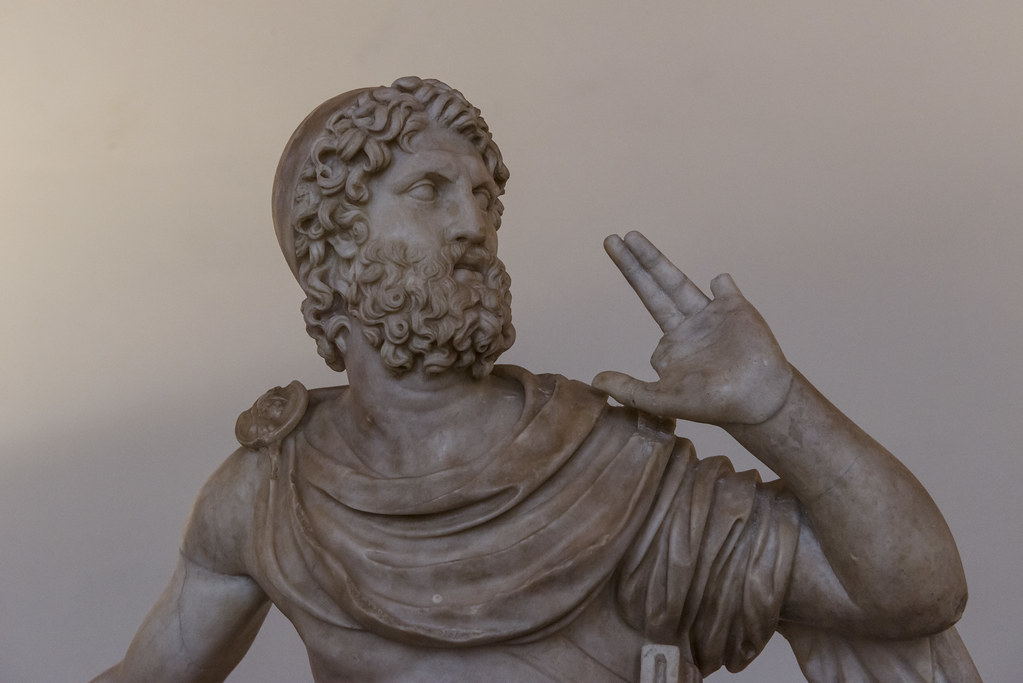
Storytelling is one of the oldest and most powerful human traditions. Long before the written word, people gathered around campfires to share tales of victory and loss, of heroes and villains, of lessons learned and wisdom gained. As Joe Allen explains in our newest Meriwether YouTube video, human beings are naturally wired for stories. They help us make sense of the world, inspire us to grow, and connect us with others in a way that cold facts simply cannot.
Why Storytelling Matters
“The human mind is geared towards a story rather than a rigid series of facts,” Joe points out. This is because we live our own lives as stories—with challenges, triumphs, and lessons that shape us along the way. A well-told story isn’t just entertainment; it has the power to guide us, prepare us for hardships, and give meaning to our experiences.
From ancient Egypt and Greece to Hollywood’s biggest blockbusters, storytelling has always been a way to orient ourselves in the world. It helps us see what is possible, and it shapes our aspirations. The hero’s journey, a concept made famous by Joseph Campbell, is a perfect example of this. Even modern sci-fi stories, like Star Wars, follow this ancient structure, inspiring young people to see themselves as heroes on their own journeys.
The Key Elements of a Great Story
The best stories have certain elements in common:
- A Relatable Character – People connect with stories when they see themselves in the protagonist. Whether it’s Luke Skywalker discovering his destiny or a young boy recounting his first adventure, the audience needs someone to root for.
- An Arc that Builds Tension – Great stories aren’t just a list of events; they have a structure that builds anticipation, introduces conflict, and ultimately leads to resolution.
- A Deeper Meaning – Whether it’s a lesson learned, an insight gained, or a truth revealed, storytelling provides a way for people to understand the significance of events in their lives.
How to Become a Better Storyteller
“A person becomes a better storyteller by telling stories,” Joe emphasizes in his talk. Like any skill, storytelling requires practice. Here’s how you can improve:
1. Tell Stories Often
The best way to get better is by doing. Find moments in everyday life where you can share a story—whether it’s around the dinner table, during a conversation with friends, or at a gathering. The more you tell stories, the more natural and compelling your delivery will become.
2. Observe Great Storytellers
Pay attention to how skilled storytellers captivate their audience. Watch how they build suspense, use vivid details, and make their stories emotionally engaging. Whether it’s through books, movies, or public speakers, you can learn a lot by studying the masters.
3. Focus on Details That Matter
A great story doesn’t just recount events; it immerses the listener in the experience. Instead of saying, “I went hiking and saw a bear,” describe the rustling in the bushes, the way your heart pounded, and the moment of fear and awe when you locked eyes with the animal. These details make the story come alive.
4. Create Meaning
“To really make meaning, you have to tell your own part of the larger story,” Joe explains. This means seeing your own life as a continuous journey—one that connects with the past, present, and future. The best stories aren’t just about what happened; they reveal why it mattered.
5. Engage With Your Audience
Storytelling isn’t just about speaking—it’s about connection. Pay attention to your audience’s reactions. Are they engaged? Do they lean in when you build suspense? A great storyteller reads the room and adjusts the pacing, tone, and delivery to keep listeners hooked.
The Power of Storytelling in Everyday Life
The ability to tell a compelling story isn’t just useful for writers and filmmakers. It plays a crucial role in leadership, business, and personal relationships. A great lawyer, for instance, doesn’t just present evidence; they craft a narrative that convinces the jury. A strong leader doesn’t just list facts; they inspire people with stories of perseverance and vision.
Even in casual settings, storytelling strengthens bonds. “The most thrilling element of dinnertime conversation,” Joe Allen notes, “is the telling of a great story.” Whether you’re recounting an adventure, sharing a lesson, or making your friends laugh with an embellished tale, the ability to tell stories well will earn you respect and admiration.
Join the Storytelling Tradition
At Meriwether Academy, we believe in the power of storytelling—not just as an art form, but as a way to build character, foster community, and make sense of the world. Our guided camping trips and men’s retreats are the perfect settings to hone your storytelling skills, share your experiences, and hear the stories of others.
Want to become a better storyteller? Join us for an unforgettable experience. Learn more at MeriwetherAcademy.com.
Watch the full video on our YouTube below!