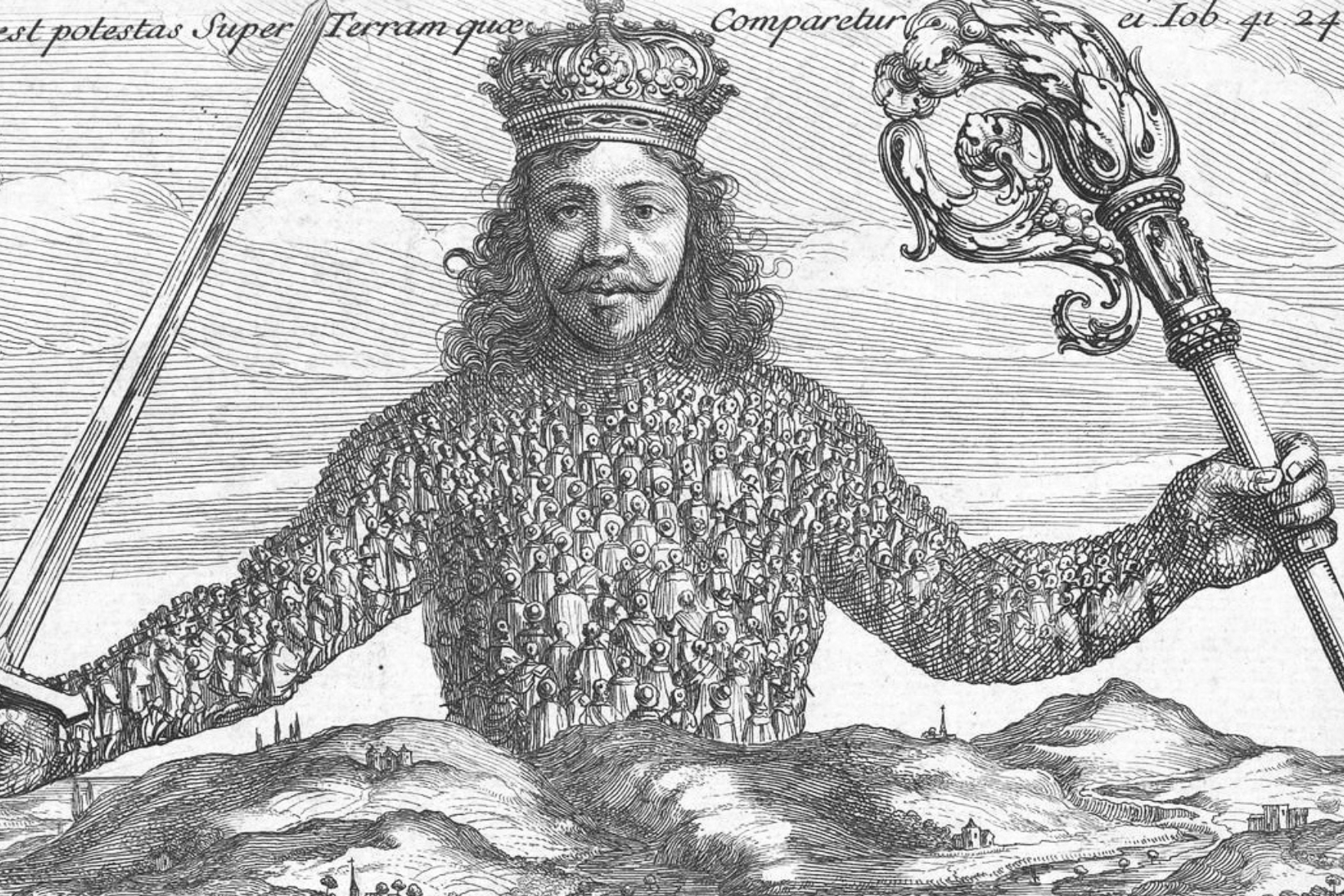
The debate between Thomas Hobbes and John Locke over human nature isn’t just a dusty philosophical relic—it’s a lens through which we can examine our lives, our governments, and the world we inhabit. These 17th-century thinkers offered starkly different visions of what drives us as humans and how society should be structured as a result. Prepare to question: Are we selfish creatures needing control, or rational beings capable of cooperation?
Hobbes’ Grim Vision of Human Nature
Thomas Hobbes saw humans as inherently selfish, ruled by desires and fears that, left unchecked, plunge us into chaos. In his masterpiece, Leviathan (1651), he painted the “state of nature”—life without government—as a brutal free-for-all. Here, competition, distrust, and the thirst for power make existence “solitary, poor, nasty, brutish, and short.” Hobbes believed that our natural inclinations toward self-preservation and greed would spark endless conflict unless a powerful authority intervened. His solution? An absolute government, like a monarchy, to enforce order and peace. For Hobbes, surrendering personal freedoms to a sovereign was the price of stability—a trade-off he deemed essential to escape anarchy.
Locke’s Hopeful Counterpoint
John Locke, writing later in Two Treatises of Government (1689), offered a brighter perspective. He argued that humans are naturally rational and inclined toward cooperation. In Locke’s state of nature, people live peacefully, respecting each other’s inherent rights to life, liberty, and property. Conflicts might emerge, but they don’t define us. To resolve disputes and safeguard these rights, Locke proposed a social contract: a government formed by the consent of the governed. Unlike Hobbes’ authoritarian vision, Locke championed a limited government with checks and balances, accountable to the people. If it failed to protect their rights, citizens could rightfully overthrow it—a radical idea for his time.
Political Ripples: Tyranny vs. Liberty
These opposing views birthed vastly different political legacies. Hobbes’ philosophy underpins authoritarianism, where a strong, centralized power—be it a king or dictator—maintains order above all else. Individual liberties take a backseat to security, a concept that resonates in regimes prioritizing control over freedom. Locke, however, planted the seeds of modern democracy. His emphasis on natural rights and government by consent inspired revolutions, including the American and French uprisings, and echoes in documents like the Declaration of Independence. Locke’s vision prioritizes individual freedom and accountability, shaping the democratic ideals many cherish today.
Reflecting on Your World
So, what does this mean for you? The Hobbes-Locke debate isn’t just academic—it’s a mirror for your beliefs and actions. Do you see humans as Hobbes did: selfish and needing firm guidance? Or do you align with Locke, trusting in our capacity for reason and mutual respect? Your answer might shape how you view laws, leaders, and even your daily interactions.
Consider this: Hobbes might remind you to value the stability provided by rules and institutions—think of traffic laws preventing chaos on the roads. Locke, meanwhile, might urge you to defend your rights and engage in your community, perhaps by voting or questioning authority when it oversteps. Reflect on these questions:
- What drives me—self-interest or cooperation?
- How much freedom am I willing to trade for security?
- What role should government play in my life?
By wrestling with these ideas, you can better understand the tensions in today’s world—debates over surveillance, individual rights, or social order—and act with greater awareness. Whether you lean toward Hobbes’ realism or Locke’s optimism, their insights challenge you to think deeply about human nature and the societies we build. How will you respond to that challenge?