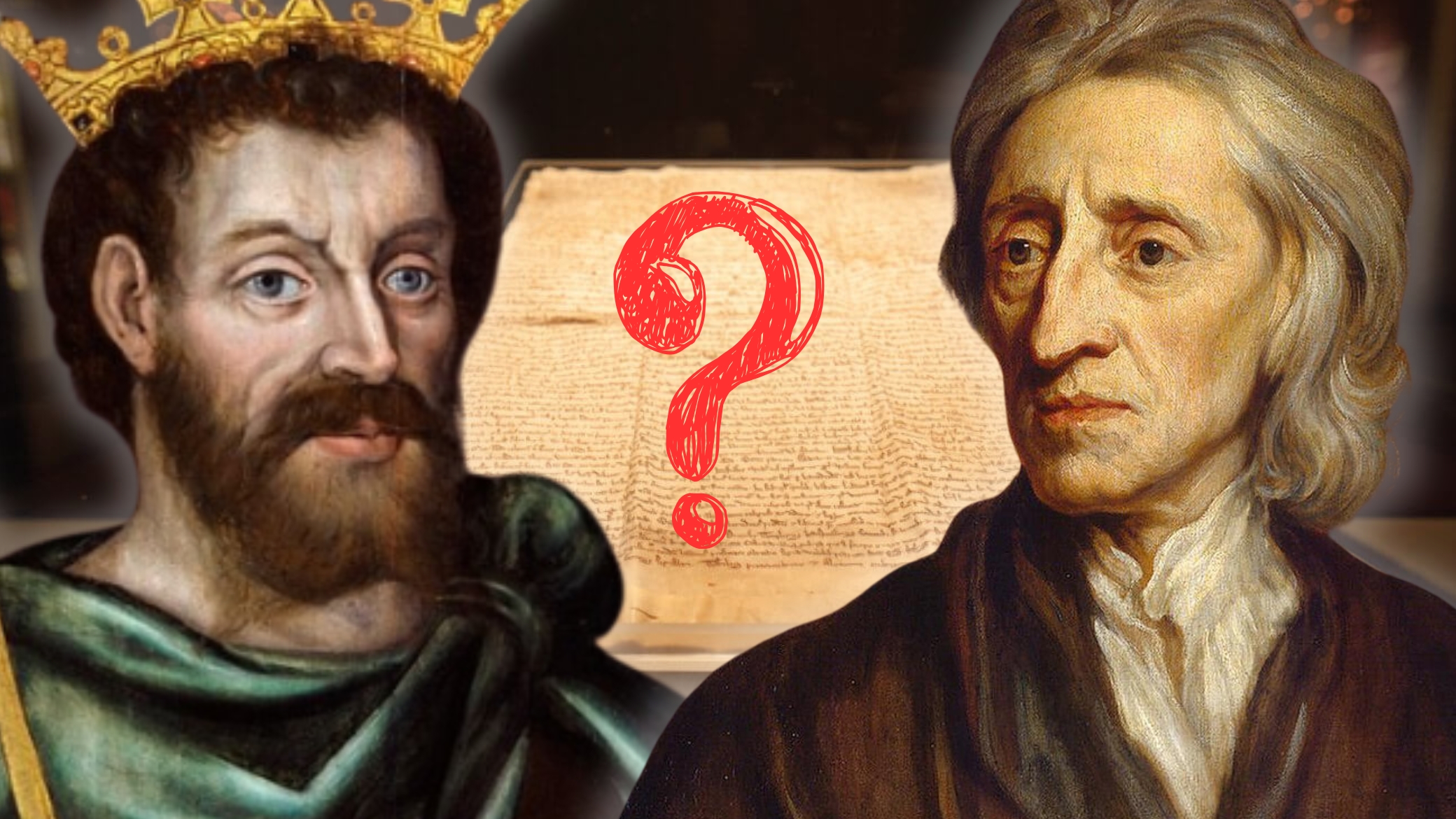
In the grand sweep of Western political thought, few moments stand out as more consequential than the signing of the Magna Carta in 1215. Often mentioned in passing in discussions of constitutional government, its deeper significance is frequently overlooked. But to understand the Magna Carta is to understand the very foundation of the modern concept of limited power—and the brave, complex path it took to get there.
A King in Crisis and a Class in Revolt
At its core, the Magna Carta represents the first formalized limitation of executive authority in Western history. It was not, as some myths might suggest, a sweeping declaration of universal rights or democratic principles. Rather, it was a practical, politically charged document born of conflict between an unpopular king and a powerful group of barons.
King John of England, infamous for his military failures and oppressive taxation, had driven his kingdom into debt and discontent. His arbitrary rule sparked outrage among the nobility, who—unlike peasants—possessed the means to resist. In a bold and nearly unprecedented move, they demanded that the king himself be placed under legal limits. And remarkably, they succeeded.
What the Magna Carta Actually Did
The Magna Carta was, in many ways, a conservative document. It did not dismantle monarchy or install democracy. Instead, it affirmed a simple but radical principle: that even the sovereign was subject to the rule of law.
It codified protections for property, ensured the right to a fair trial, and prohibited taxation and punishment without established legal procedures. These were monumental shifts for the 13th century—and they created a legal and cultural precedent that would echo for centuries.
A Legacy That Reaches Across Centuries
Magna Carta’s true power lies not just in what it accomplished in its own time, but in how it shaped the development of political thought. It directly influenced later documents like the English Bill of Rights and served as philosophical and legal inspiration for the American Constitution—written more than 500 years later.
Its impact lives on in the idea that a government’s authority must have limits, that law must be higher than personal will, and that power—if not held in check—will inevitably turn toward corruption.
The Philosophical Foundation: Hobbes and Locke
Magna Carta also set the stage for one of the great intellectual tensions of the modern era: the question of human nature and the proper role of government.
Philosopher Thomas Hobbes, writing during a time of civil war, famously declared in Leviathan that life in a state of nature is “nasty, brutish, and short.” He believed human beings were fundamentally selfish and chaotic, requiring a strong, centralized authority—ideally a monarch—to keep peace and order.
John Locke, writing later, offered a counterpoint. He saw individuals as bearers of natural rights, and argued that the legitimacy of government rests in the consent of the governed. His ideas laid the groundwork for modern democracy, asserting that unchecked power—no matter how well-intentioned—was inherently dangerous.
The Courage to Write It Down
What makes Magna Carta so revolutionary is not just that its authors had the courage to resist a king—but that they had the wisdom to put their resistance in writing. In doing so, they established a model for limiting power that went beyond armed revolt: law as a higher authority than the ruler.
Though imperfect and limited in scope, the act of recording these ideas marked the beginning of something new in the Western world: the rule of law, the balancing of powers, and the pursuit of justice not by might, but by principle.
Why It Still Matters
Magna Carta was not the final word on liberty or governance—but it was the first meaningful one. It marked a turning point in the ongoing human effort to reconcile authority with freedom, and power with virtue.
Even 800 years later, its influence can still be felt—in our courts, in our constitutions, and in the enduring belief that no one is above the law.